NeolemonNeolemonvsRecraftRecraft

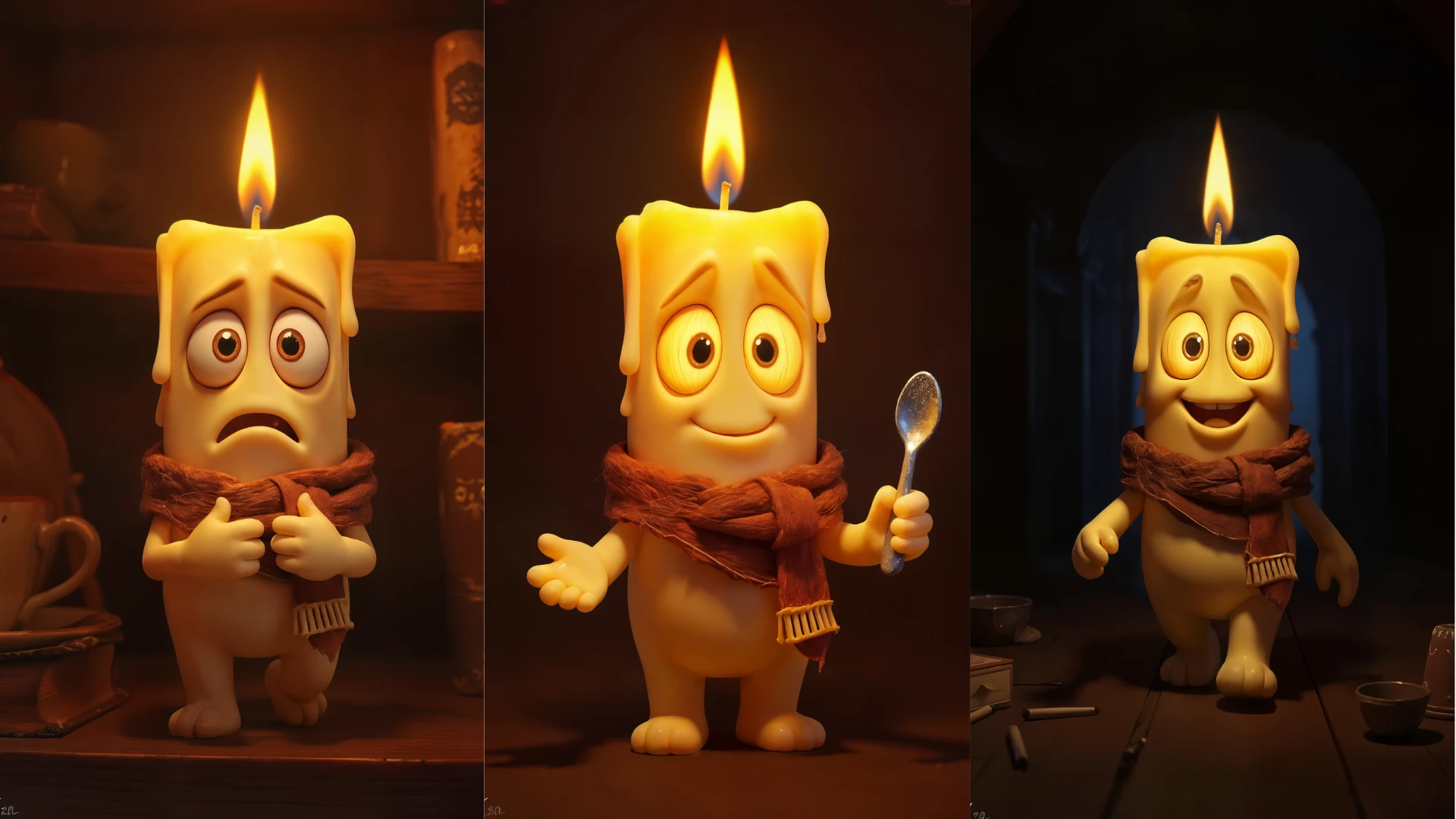
The same cartoon character, page after page.

Recraft is a serious design platform: vectors, logos, mockups, brand systems. Neolemon does one thing it isn't built for, which is keeping your character recognizable across every pose, expression, and scene in a story.

20 free credits. No card required.

4.5
Trustpilot, 94% 5-star
1M+
uses on our GPT
60%
publish to KDP
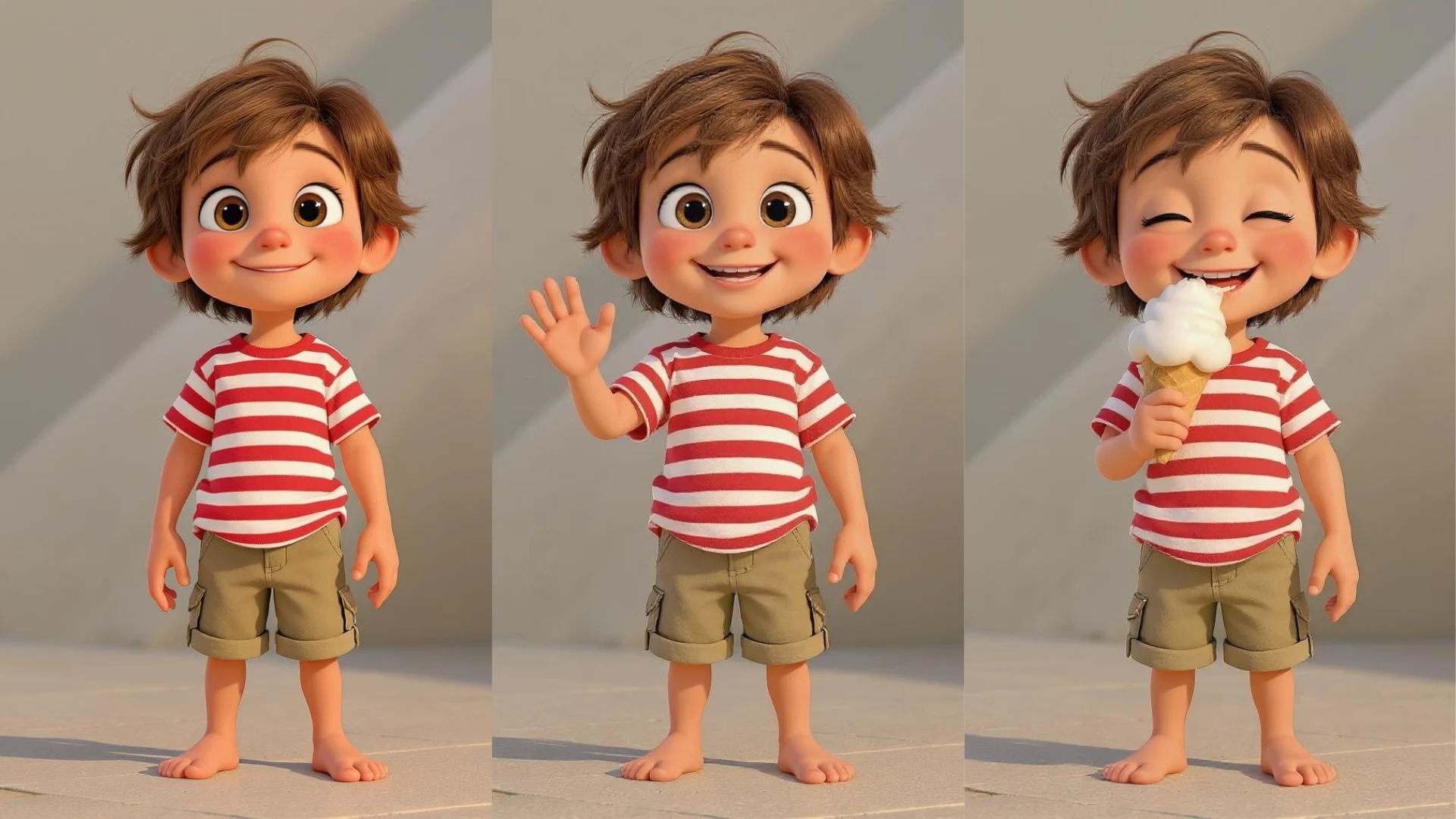
The same cartoon boy in three poses with an identical face, hair, and outfit

One character. Three poses. Zero drift.

The honest verdict

Who each one is for.

You probably already use Recraft, or you're weighing it. This is an honest comparison: Recraft wins where Recraft wins. Here's the split before any detail.

Recraft

Choose Recraft

Your output is a design asset: a logo, an icon set, an editable SVG, a product mockup, brand graphics with real typography, a photoreal shot, a launch ad. It's built for designers and marketing teams.

Choose Neolemon

Your output is a character-led story: a 24-page picture book, a coloring book, a comic, a classroom series, where children, parents, and your editor all need to feel it's the same character on every page.

Use both

Publishing a book the right way: Neolemon for the character art on every page, Recraft for the cover typography, vector logo, and launch graphics.

The whole comparison in one line

Recraft is great for consistent brand assets. Neolemon is built for consistent cartoon characters.

Those sound like the same thing. They are not. Recraft holds a style, a palette, a brand look. The hard problem in a story is holding one specific character. Recraft's own documentation is refreshingly direct about it.

"Recraft doesn't offer a dedicated character-tracking feature."
Recraft's own character-consistency docs. The suggested path is to stack prompts, saved styles, reference images, and frames and steer it yourself. We took that exact gap and made it the whole product.

What you're comparing

A design platform and a character workshop.

Most "Recraft alternative" pages get this wrong by pretending Recraft is weak. It isn't. Here's precisely what each one is, as of 2026.

Recraft

Recraft

An AI design platform, Series-B backed

Founded 2022, London-based, with a $30M Series B led by Accel and millions of users. It runs proprietary models, V3 ("Red Panda") and V4.1, not a wrapper over someone else's.

  • Vectors and design. Editable SVG with clean geometry, logos, icons, mockups, and typography baked into the image.
  • A real canvas. Manual, agentic, and exploration modes, plus style libraries and brand-style control.
  • A model router. Pick GPT Image, Flux, Nano Banana, Sora, Veo and more inside one workspace.
  • Enterprise posture. SOC 2 Type 2 and AIUC-1 certified, team workspaces, SSO, a mature image and vector API.
The Recraft wordmark on its brand violet
Neolemon

Neolemon

A character workshop

Formerly ConsistentCharacter.ai. Cartoon-only since 2025. You build one anchor character, then direct it scene by scene. The book is what you make with the character.

  • Character Turbo builds the anchor from structured fields.
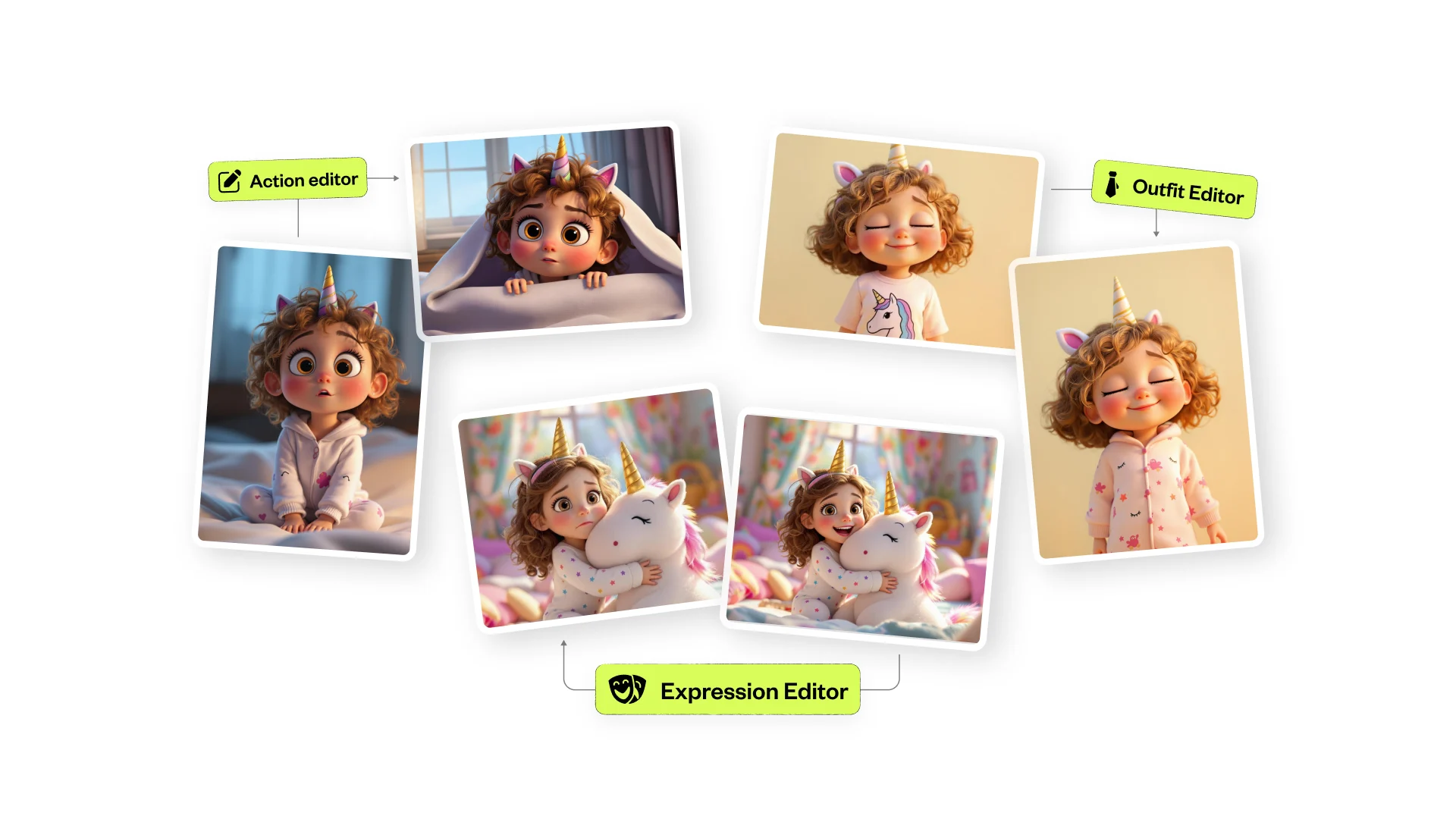
  • Action, Expression, Outfit, Perspective editors change one variable at a time, identity locked.
  • Multi Character and Story Scene Pro compose up to three characters with a background reference.
  • AI Canvas, Coloring Book Creator, Storyboard take you from assets to a laid-out book.
Neolemon editors generating the same character in different poses and outfits

The distinction that decides it

Style consistency is not character consistency.

This is the one technical idea your whole decision turns on. A tool can be excellent at one and fail the other. Recraft documents that it's built for the first.

Style consistency

Every image looks like it belongs to the same visual world: same palette, same line weight, same shading, same composition logic. This is what brand and design work needs, and Recraft is genuinely strong at it.

Same look, different subjects. The palette holds; the character is whoever shows up.

Philip U., on G2: "every image feels like it belongs to the same visual identity." That praise is about style, not a specific face.

Character consistency

A specific subject, Luna, with curly black hair, a yellow rain jacket, a small scar on her left eyebrow, stays recognizably herself across 24 pages while pose, expression, background, and camera angle all change around her.

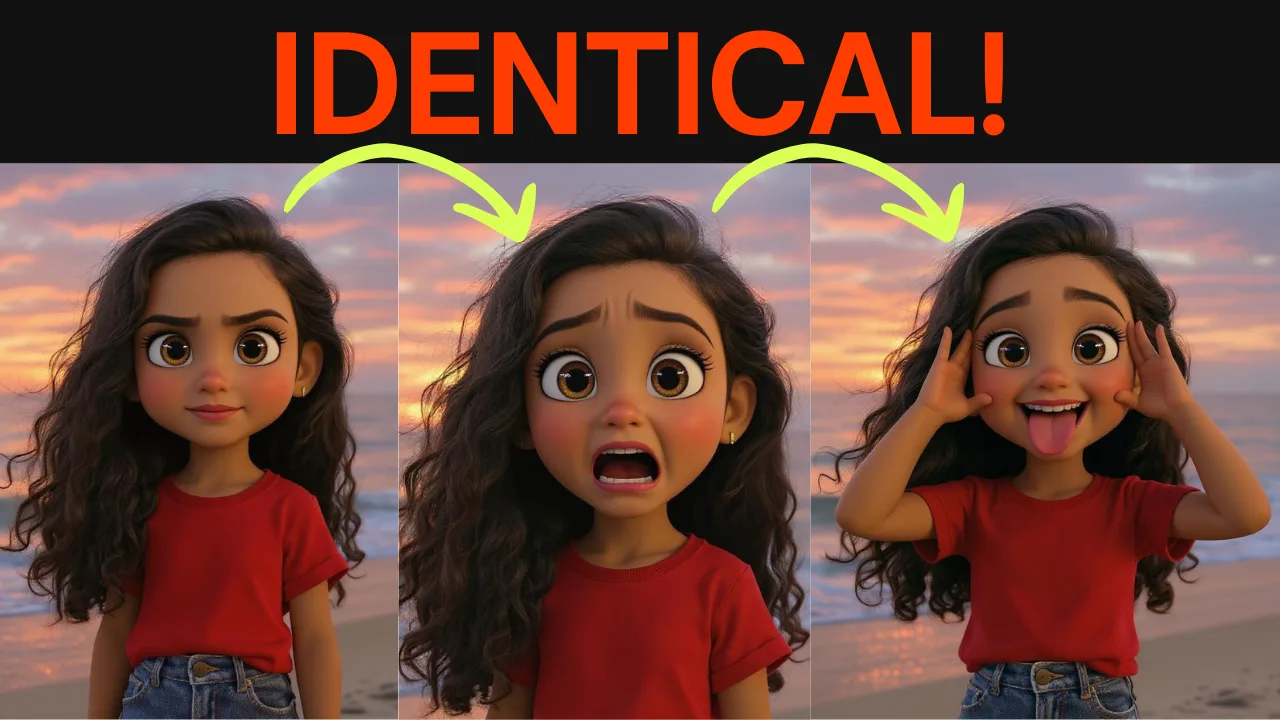
The same cartoon girl in three expressions, identical face and outfit

Same character, different everything. The face holds; the scene changes.

Final Crab, on Recraft's own board: uploading a character reference gives "the art style," but "the character itself doesn't match the reference." That gap is the whole project for a storybook.

If your project is a logo or a design system, you want style consistency, and Recraft is the better tool. If your project is a story, you need both, and character consistency is the harder one.

How we hold the character

Lock the face. Change everything else.

Any tool can make one good character. It drifts around page 20, after your hero has been regenerated into thirty fresh scenes and quietly stopped being the same kid. Neolemon never re-rolls the character.

1

Anchor

One clean front view in Character Turbo. Every scene derives from this single reference.

2

Pose it

Action Editor changes the pose. Face, outfit, and style stay exactly where they were.

3

Emote it

Expression Editor moves the eyes, brows, and mouth. Same child, twelve different feelings.

4

Compose it

Drop the character into a background, or compose several with Story Scene Pro. No identity blending.

The same cartoon character rendered consistently across many scenes and styles

Why it holds where a canvas drifts

Recraft's path to continuity is to write a fresh prompt, attach a saved style, add a reference frame, and iterate until the character looks close enough. It can work in skilled hands. Neolemon conditions every image on your one anchor and changes a single variable at a time.

The same approach powers the developer model on Segmind: a required character reference plus an optional pose reference. It's a workflow built to control consistency, not a hope that it survives.

Feature by feature

The full comparison.

Grouped by what you're actually deciding on. Where Recraft is the stronger pick, it says so plainly.

Capability Recraft Neolemon
Character control
Dedicated character trackingNone, per Recraft's docsThe core product: anchor plus editors
Pose and action, identity heldPrompt and reference workaroundDedicated Action Editor
Expression, identity heldPrompt and reference workaroundDedicated Expression Editor
Outfit and camera anglePrompt and reference workaroundOutfit and Perspective Editors
Multi-character scenesManual compositionMulti Character and Story Scene Pro
Storyboard and sequenced pagesNoStoryboard View plus PDF export
Print-ready coloring booksNoColoring Book Creator, one click
Design and output
Editable SVG, vectors, logos, iconsStrong, nativeNot the job
Typography inside imagesStrong, nativeLimited
Photoreal and 3D imageryYesCartoon-only since 2025
Brand-style consistencyStrong, style librariesPossible, not the wedge
Product mockups, ecommerce visualsStrongNot the job
External model routingYes, many modelsNo
Video generationYes, via routed modelsFrames only, animate downstream
Photo to cartoon avatarLimitedPhoto to Cartoon, native
Plans, scale, and rights
Free way to try30 credits a day, outputs public20 credits, no card, yours
Cheapest paid plan$12/mo, or $10 billed annually$29/mo, flat
Commercial rights on entry planYes, while subscribedYes, every paid plan
General design APIMature, image and vectorSegmind character API
Enterprise compliance, SSO, teamsSOC 2, AIUC-1, team seatsSingle-user focus

Recraft details from its own docs and pricing pages. Capabilities and model versions move fast, so check Recraft's current pages before you buy.

Pricing

Recraft is cheaper on the sticker.

We won't dodge that. $12 a month buys 1,000 credits at one credit per raster image. For raw exploration, that's hard to beat. The catch is that a "credit" isn't a stable unit.

Recraft

PlanPriceThe catch
Free$0Outputs public, rights-limited
Basic$12/mo$10 only if annual
Pro 2k to 16k$20 to $160Credits don't roll over
Team3 seats minCredits not shareable
  • Subscription credits don't roll over month to month.
  • Premium external models cost far more per output than one credit.
  • Creative upscale is 20 credits a go; agentic chat bills per turn.
  • Free-plan outputs are public and not yours, even if you upgrade later.

Neolemon

$29 / month, flat

600 credits, about 150 character generations. Plus a free trial: 20 credits, no card.

  • Every character tool included. No add-ons, no model-pricing surprises.
  • Character Turbo is a flat 4 credits per image, every time.
  • Commercial-use rights on the only paid plan.
  • Built for the iterative job: keeping one character on-model.
See Neolemon pricing

Recraft is the better buy for broad design work. Neolemon isn't trying to win cheapest-image-per-credit. For a book where your hero needs to stay on-model across every page, compare the cost of the tenth usable scene, not the first generation.

The math behind the sticker

"1,000 credits" can mean fifteen images.

This isn't a knock, it's Recraft's own external-models pricing. The credit is cheap until your workflow reaches for the premium models, the upscales, and the rerolls that character work usually needs.

Nano Banana Pro 4K, on Basic

~15

outputs a month before your 1,000 included credits are gone. That model runs 63 credits per image.

Creative upscale, per image

20

credits each. Do it across a book's worth of pages and the cheap tier empties fast.

Neolemon Character Turbo

4

credits per image, flat and predictable. About 150 generations on the Creator plan.

Recraft reviewers raise a sharper edge: when a prompt fails or the model changes parts of the image you didn't touch, you still pay. James D., on G2, calls that "a huge waste of your limited tokens." For a page that needs five iterations to stay on-model, the number that matters is cost per usable image.

Proof, with names

What people actually ship.

Both sides, real names, the good and the honest. Recraft's reviewers love it for design. Ours love it for finished books.

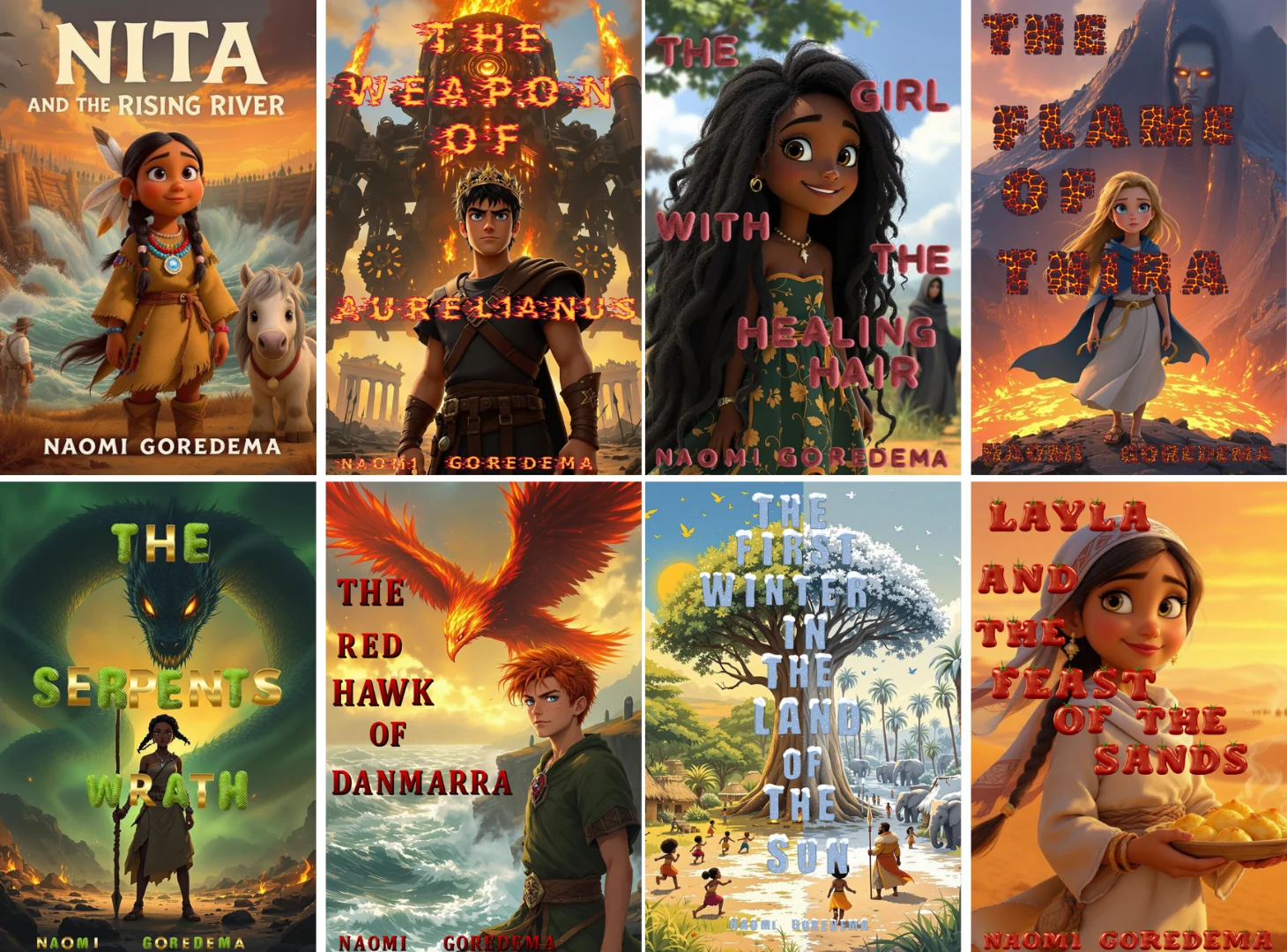
Finished children's book covers illustrated with Neolemon by author Naomi Goredema
20 books in 4 months. Naomi Goredema, children's author. Her old workflow, InDesign plus Photoshop plus Midjourney, took three days per character.

On Recraft

Recraft is well-loved by designers. The praise is about vectors and brand style. The friction shows up around character identity and credit burn.

"Palette-locked vectors save me hours. Style consistency is unmatched."

Simon L., entrepreneur, on G2

"The generated image does not reflect the character's face or appearance."

Final Crab, on Recraft's feature board

"For logos, one out of ten is what I need."

Đỗ Đình Thy S., on G2

The pattern is consistent: brilliant at style and vectors, a known gap at locking one character's face across scenes.

On Neolemon

Our proof is finished work, not tool reviews.

  • Patricia Wonsey, a former teacher, made over $1,000 in her first week selling coloring books built on Neolemon.
  • Brian McPhee shipped an 83-page book with 47 illustrations, 13 characters, and 12 stories.
  • Erica Weinstein built an 8-scene storyboard with the same cast across every scene.
  • "This app has become an invaluable tool in my creative process." Joanne Mohammed, children's author.
4.5★★★★★34 reviews, 94% 5-star on Trustpilot

Credit where it's due

Where Recraft wins.

We'll go first. These are things Recraft does better than us. If one is what your project needs, it's the right tool, and you should reach for it.

Editable SVG and vectors

Structured, layered SVG straight from a prompt. For a logo, an icon system, or a vector mascot, it's the better tool outright.

Typography in images

Posters, ads, packaging, and book covers where text is part of the composition. We don't compete here.

Photoreal and 3D

We dropped photoreal in 2025. For realistic product shots or lifestyle imagery, Recraft is the right call.

Brand-style systems

Style libraries, remixing, and shareable saved styles keep a whole brand look coherent across projects.

A mature design API

Raster and vector generation, background removal, batch jobs, with clean per-unit pricing. Built for design automation.

Model breadth

One canvas that routes to GPT Image, Flux, Nano Banana, Sora, and more. Flexible for advanced users.

Enterprise posture

SOC 2 Type 2 and AIUC-1, team workspaces, and SSO. The safer pick for agencies and procurement.

Product mockups

A real mockup generator for ecommerce and print-on-demand visuals, which isn't our lane at all.

Take Recraft seriously and build something good with it. If you later hit the one wall it documents, character continuity across a story, you know where we are.

Our turn, same rules

Where Neolemon wins.

Cartoon-only, on purpose. Built around the one job a general design platform isn't shaped for.

Consistency is the product

Not a feature bolted onto a canvas. The whole tool exists to hold one character steady across scenes.

Editors, not prompt wrangling

Pick an action, an expression, an outfit. No seed drift, reference weighting, or frame layering to manage.

Built for non-designers

A children's-book author isn't a professional illustrator. The complexity is hidden behind structured editors.

A real storybook stack

Projects, Storyboard View, AI Canvas, and PDF export move you from assets to a laid-out book.

Coloring books for KDP

Any image becomes a print-ready coloring page in one click, a high-volume self-publishing category.

Multi-character scenes

Compose one to three named characters with a background reference, identities intact.

Tuned to the KDP vertical

Around 60% of users publish to KDP. The product, pricing, and roadmap are built for that audience.

An education layer

A course, a community, a 35,000-plus newsletter, and the Consistent Character GPT with a million-plus uses.

Honest about its limits

Cartoon-only, no native print, no video. We say so up front. You'd rather hear that now.

Route yourself

Who should pick which.

Recraft

  • A designer or marketing team making logos, icons, vectors, or brand assets.
  • You need typography baked into posters, ads, or covers.
  • You want photoreal or 3D imagery for a launch.
  • You're building a design-automation pipeline through an API.
  • You need SOC 2, SSO, and team workspaces for procurement.

Neolemon

  • A KDP author illustrating your own manuscript scene by scene.
  • The same character appears across a 24 to 32-page book.
  • You need pose, expression, outfit, and angle controlled separately.
  • You're building a series, a comic, or a classroom mascot.
  • You sell illustration services and want a character production engine.
  • You want a coloring-book workflow for the KDP market.

Use both

  • Neolemon for the character art on every page of the book.
  • Recraft for the cover typography, vector logo, and brand graphics.
  • Recraft for the launch ads and product mockups around release.

The honest stack

For a serious book, you'll use a few tools.

Trying to do every step in Recraft alone, or every step in Neolemon alone, is the wrong frame. Each tool has a job.

  1. 1

    Neolemon

    Character creation, scene-by-scene illustration, expression and pose variation, multi-character scenes, and storyboard sequencing.

  2. 2

    Recraft, or Illustrator, Affinity, Canva

    Cover typography, vector logo, marketing graphics, social ads, and product mockups for the launch.

  3. 3

    InDesign, Affinity Publisher, or Kindle Create

    Final layout, trim, bleed, and a KDP-ready PDF export at 300 DPI.

  4. 4

    Higgsfield, Runway, Kling, or CapCut

    If you want to animate the characters for a trailer or a social short, that motion happens downstream.

The switch

Moving character work from Recraft to Neolemon.

Been wrestling with character drift in Recraft and want to try the same project here? Here's the pragmatic path, start to finish.

  1. 1

    Export your best reference

    Pick the cleanest full-body front view you already generated in Recraft. PNG is fine.

  2. 2

    Sign up free

    20 credits, no card. Enough to test about five Character Turbo generations.

  3. 3

    Cartoonize if needed

    Run it through Photo to Cartoon to bring it into Neolemon's cartoon space, or use it directly as a reference.

  4. 4

    Lock the character

    Use Prompt Easy to structure the description, then Character Turbo to generate your stable anchor.

  5. 5

    Build the scenes

    Derive every panel from that one anchor with the Action, Expression, Outfit, and Perspective editors.

  6. 6

    Keep Recraft for vectors

    Don't migrate your logo or cover type. That's Recraft's strong suit, so leave it there.

  7. 7

    Sequence in Projects

    One project per book. Assemble panels in Storyboard View and write the script alongside.

  8. 8

    Lay it out

    The storyboard PDF isn't a print interior. Finish in Canva, Affinity, or InDesign at 300 DPI.

  9. 9

    Publish and disclose

    Upload to KDP, Lulu, or IngramSpark, and disclose AI images, which KDP requires of any tool.

No half-truths

What to watch out for, on both sides.

Recraft

  • No dedicated character-tracking, by its own documentation. Continuity is a workaround stack.
  • Free-plan outputs are public and owned by Recraft. Upgrading later doesn't make old ones private or yours.
  • Subscription credits don't roll over, and premium models cost many credits per output.
  • Selecting external models can share your prompts and reference images with those providers.
  • Team plans need three seats, and credits aren't shareable between members.
  • The mobile app is noticeably weaker than the web app, per its own app-store reviews.

Neolemon

  • Cartoon-only since 2025. For photoreal humans, Midjourney, Flux, or Recraft is the right tool.
  • Three or more characters in one frame still need iteration.
  • Fine details like finger positions and intricate patterns can vary across generations.
  • Not a vector, logo, or typography tool. That's genuinely Recraft's job.
  • Not an animation studio. Pair with Higgsfield, Runway, or Kling for motion.
  • Commercial-use rights aren't copyright ownership, and KDP requires AI disclosure either way.

We'd rather lose a buyer to honesty than win one with a half-truth.

Questions

What people ask before switching.

Is Neolemon a good Recraft alternative?+

For one specific job, keeping the same cartoon character recognizable across many scenes, yes. For vectors, logos, brand assets, typography, photorealism, and broad design workflows, Recraft is the better tool. Most serious book projects use both: Neolemon for the character art, Recraft for the design assets around it.

Does Recraft have character consistency?+

Recraft can produce visually consistent images using prompts, saved styles, reference images, and frames. But its own docs state plainly that it doesn't offer a dedicated character-tracking feature, and the community request asking for proper character continuity has months of votes behind it. Recraft is strong at style consistency, which is a different job from character consistency.

Which is better for children's book illustrations, Recraft or Neolemon?+

Recraft has a book-illustration page and can make beautiful single-page art. Neolemon is more specialized when the same character must appear across many pages with different poses, expressions, and scenes. If your book is character-led, Neolemon. If it's a stylized art collection without a recurring protagonist, Recraft.

Which is better for logos and SVG vectors?+

Recraft, by a clear margin. Native editable SVG, vectorization, brand-style tools, and typography in images are Recraft strengths. Neolemon doesn't generate vectors, and we won't pretend otherwise.

Can I use Recraft and Neolemon together?+

Yes, and most serious KDP projects probably should. Neolemon for the character art on every page, Recraft for the cover typography, vector logo, social ads, and product mockups around the launch. They serve different jobs.

Is Recraft's free plan safe for commercial KDP work?+

Not really. Recraft's free-plan outputs are public, owned by Recraft, and not licensed for commercial use, and upgrading later doesn't retroactively transfer ownership of what you made while free. If you're publishing, use a paid plan from day one, or don't generate anything you plan to sell on the free tier.

Is Neolemon cheaper than Recraft?+

No, not on the sticker. Recraft starts at $12 a month for 1,000 credits; Neolemon's Creator plan is $29 a month for 600 credits. The honest framing is cost per usable image: Recraft credits vary wildly by model and action, while Neolemon's Character Turbo is a flat 4 credits, built around the iterative character job.

Does Neolemon generate video?+

No. Neolemon produces consistent still frames and key assets. Motion happens downstream in tools like Kling, Runway, Higgsfield, or CapCut. Recraft does route to video models inside its canvas, so if integrated video matters, that's a point for Recraft.

What about photorealistic humans?+

Neolemon deprecated photoreal styles in 2025 and points you to Midjourney for that work. Recraft supports photorealism. If photoreal humans are central to your project, Neolemon is the wrong tool.

How do I migrate from Recraft to Neolemon?+

Export your cleanest character reference from Recraft, sign up for the free trial, run it through Photo to Cartoon or use it directly in Character Turbo, lock the character, and derive scenes through the targeted editors. The full walkthrough is in the migration section above.

Does Neolemon have an API?+

Yes. The V3 character model is available through the Segmind API for developers and agencies. It's a focused character endpoint, not a broad design API. If you need general image and vector automation at scale, Recraft's API is the more mature surface.

What about Amazon KDP disclosure rules?+

Both tools fall under the same Amazon policy. KDP requires disclosure of AI-generated images, including cover and interior artwork, when you publish. That's true regardless of which tool made the images, so plan your manuscript metadata accordingly.

The whole comparison, in one question.

When your project is done, what was the hard part? If it was vectors, brand assets, typography, or photoreal design, you wanted Recraft. If it was keeping your character on-model across every scene, you wanted Neolemon.

See if your character holds up across 24 pages.

Run one character through the editors and watch the face stay put. 20 free credits, no card.

If Recraft is the right tool for your design work, keep it. For consistent cartoon characters, that's what we built.